Buying a new SUV today isn’t as simple as choosing the model you like. Before you even compare features or take a test drive, you’re likely to come across terms like HEV, PHEV, and EV. They all sound similar; they’re all connected to electric driving. That’s where the confusion begins.
One of the questions we hear most often from customers is, “Do I actually need to charge a hybrid?” Others want to know whether an electric vehicle is worth considering or if a self-charging hybrid is the more practical option for everyday driving.
If you’ve been searching for answers about HEV vs PHEV vs EV, you’re not alone. Understanding these technologies early on can help you avoid choosing the wrong vehicle.
The simplest way to understand HEV vs PHEV vs EV is to look at how each vehicle gets its power.
- An HEV, or Hybrid Electric Vehicle, combines a petrol engine with an electric motor. The battery charges automatically while you drive, so there’s nothing extra you need to do.
- A PHEV, or Plug-in Hybrid Electric Vehicle, also uses both petrol and electric power, but it has a larger battery that can be charged externally. This allows it to drive on electricity alone for short distances before the petrol engine takes over.
- An EV, or Electric Vehicle, runs entirely on electricity. There is no petrol engine, which means every journey depends on battery charge rather than fuel.
All three technologies aim to make driving more efficient. If you want all hybrid types explained in simple terms, the easiest way is to think about how each vehicle charges its battery and when it uses electric power.
Do You Need to Charge Every Hybrid?
This is probably the question we hear most often, and the answer surprises many first-time buyers.
If you own an HEV, the answer is no. The vehicle charges its battery on its own by recovering energy during braking and working alongside the petrol engine. From the driver’s seat, it feels much like driving a conventional SUV, except you’ll visit the fuel station less often.
A PHEV works differently. Because it has a larger battery, it can be plugged in to make the most of its electric driving capability. While it will continue to drive if the battery runs low, regular charging is what helps a plug-in hybrid deliver its biggest fuel savings.
An EV is different again. Since there’s no petrol engine to fall back on, charging becomes part of everyday ownership, much like refuelling is today.
It’s also where most PHEV vs HEV differences become clear. While both combine a petrol engine with an electric motor, the way they store and use electricity is what sets them apart.
When Does an Electric Vehicle Become the Better Choice?
By this point, many buyers begin wondering whether it makes sense to skip hybrids altogether and go fully electric.
It’s a fair question, especially as electric vehicles become more common around the world.
One of the biggest advantages in an HEV vs EV comparison is simplicity of ownership. An EV has no petrol engine, fewer moving parts, and lower routine maintenance requirements. It’s also exceptionally quiet to drive, with instant acceleration that feels smooth from the moment you press the accelerator.
For those who regularly travel long distances or prefer the flexibility of refuelling almost anywhere, a hybrid may still be the more practical choice today.
That’s why comparing hybrid vs plug-in hybrid vs electric isn’t really about deciding which technology is best. It’s about understanding which one fits naturally into your everyday life.
Why Do HEV, PHEV and EV Feel So Different to Drive?
This is another reason why buyers researching HEV vs PHEV vs EV often come away with different opinions. The technology underneath each vehicle creates a very different ownership and driving experience.
A self-charging hybrid constantly decides when to use petrol, electric power, or both together. The transition happens automatically, so most drivers barely notice it. The result is smooth acceleration, quieter city driving, and improved fuel economy without changing your habits.
A plug-in hybrid feels similar, but when the battery is fully charged, many daily commutes can be completed using electricity alone. Once that electric range is used, the petrol engine steps in seamlessly, which gives you the confidence to travel longer distances without worrying about charging stations.
An electric vehicle offers the quietest experience of all. With no engine noise and instant torque from the electric motor, acceleration feels smooth and immediate. The biggest adjustment isn’t how it drives but how you plan your charging, especially for longer journeys.
Which Option Makes the Most Sense for Driving in Pakistan?
The right choice isn’t always the one with the latest technology. It’s the one that fits the way you drive.
For many drivers in Pakistan, a self-charging hybrid is often the easiest transition. Fuel stations are readily available, long-distance travel is common, and there’s no need to think about charging before setting off. You simply drive as you always have while benefiting from improved fuel efficiency.
A plug-in hybrid can make even more sense if your daily routine is predictable, and you have access to charging at home or at work. Short commutes can often be completed using electric power, while the petrol engine is there whenever plans change or a longer journey comes up.
Fully electric vehicles are becoming more practical as charging infrastructure continues to expand. They’re particularly well suited to drivers who spend most of their time within the city and have a reliable place to charge overnight.
So, Which One Should You Choose?
After comparing hybrid vs plug-in hybrid vs electric, try thinking about your driving habits instead of the technology.
- If you want better fuel efficiency without changing your routine, a hybrid is likely to be the right fit. It delivers many of the benefits of electrification while feeling familiar from day one.
- If you have access to charging and most of your journeys are relatively short, a plug-in hybrid allows you to make greater use of electric driving while keeping the reassurance of a petrol engine for longer trips.
- If you’re ready to move away from fuel altogether and your daily travel suits the available charging network, an electric vehicle offers the cleanest and quietest driving experience.
The best choice is the one that works for your lifestyle today rather than the one that simply sounds the most advanced.
Once you understand the key PHEV vs HEV differences, deciding between a hybrid, plug-in hybrid, or electric vehicle becomes much more straightforward.
Why Haval Continues to Invest in Hybrid Technology
As more drivers begin exploring electrified vehicles, one thing becomes increasingly clear. They want better efficiency without giving up the flexibility they rely on every day.
That’s why Haval’s hybrid technology has been developed to make the transition feel natural rather than complicated.
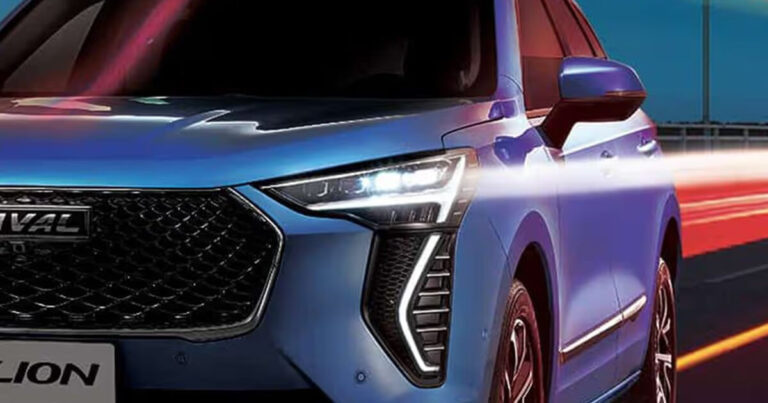
Models like the Haval Jolion HEV combine a responsive petrol engine with an intelligent electric motor that works quietly in the background. The system automatically switches between petrol and electric power to improve efficiency, especially in stop-and-go traffic, without asking the driver to change how they use the vehicle.
For drivers looking for a larger SUV, the Haval H6 HEV follows the same philosophy. It delivers confident performance, refined comfort, and advanced safety while helping reduce fuel consumption during everyday driving.
Understanding HEV vs PHEV vs EV becomes much easier once you look beyond the names.
Ready to See What Hybrid Driving Feels Like?
If you’re still deciding which option suits you best, visiting a showroom and experiencing the technology in person can make all the difference. At Haval Karachi, our team is always available to help you understand how our hybrid models work, answer your questions, and help you choose a vehicle that fits both your lifestyle and your plans.