
Rising fuel costs have led many Pakistani drivers to rethink what they want in their next car. You may want the fuel savings of an electric vehicle, but relying entirely on charging stations can make the switch feel difficult. That is where plug-in hybrid cars in Pakistan offer a practical alternative.
A PHEV combines a petrol engine with an electric motor and a rechargeable energy storage system. You can use electric power for shorter daily trips and rely on fuel for longer journeys. However, your actual savings depend on how often you plug in, how far you drive, and how you use the vehicle.
Before investing in one, it helps to understand the running costs, charging requirements, driving range, and features that matter most. Here is what you should consider before deciding.
How Do Plug-In Hybrid Cars Work?
A plug-in hybrid electric vehicle, or PHEV, combines a rechargeable battery and electric motor with a petrol engine. Unlike a conventional HEV, you can charge it using an external power source.
When the battery is sufficiently charged, the vehicle can cover suitable journeys on electric power. When it runs low, the petrol engine can help power the vehicle, depending on its design and driving conditions.
This setup gives you two energy options rather than relying entirely on petrol or charging.
Key Things to Check Before Buying a PHEV
Before comparing PHEV cars in Pakistan, look beyond the advertised range and consider how the vehicle fits your routine.
- Electric driving range: Check the manufacturer’s claimed range and remember that actual results depend on speed, traffic, temperature, air conditioning, terrain, and driving habits.
- Charging access: Consider whether you can install a suitable home charger or reliably charge at work. Convenient charging makes it easier to use the battery regularly.
- Charging time: Ask about the vehicle’s charging time using the equipment you plan to use. Charging speed depends on the vehicle, charger, and available electrical supply.
- Petrol consumption: Check consumption in both electric-assisted and engine-dominant operation. A PHEV may use little petrol on short journeys but consume more once it relies mainly on its engine.
- Boot space and seating: Battery placement can affect packaging. Check the luggage area, rear-seat comfort, ground clearance, and overall dimensions before deciding.
- Warranty and after-sales support: Confirm warranty terms, service intervals, parts availability, and whether authorised technicians can service this system.
These checks help you compare vehicles based on ownership needs, not specifications alone.
What Are the Benefits of Plug-In Hybrid Cars?
The benefits depend on how consistently you use electric mode and how you drive. For the right owner, this combination offers several practical advantages.
- Lower petrol consumption: Regular charging can reduce your petrol use, especially if most of your trips are short.
- Flexible long-distance travel: You can continue driving using petrol when the battery runs low, without relying entirely on public charging stations.
- Quiet city driving: Electric operation can make everyday commutes smoother and quieter.
- Convenient home charging: With suitable parking and charging facilities, you can recharge overnight instead of making dedicated fuel stops.
- Reduced local exhaust emissions: EV-driving produces no tailpipe emissions during that part of the journey.
Understanding PHEV Fuel Average
The plug in hybrid fuel average in Pakistan depends heavily on how often you use electric mode and how much of your driving is on petrol.
For example, a driver who plugs in every night and mostly travels short distances may use considerably less petrol than someone who rarely plugs in and drives long distances. Therefore, a single km/L figure cannot accurately represent every owner’s experience.
When comparing models, ask the dealership about the petrol-only fuel consumption, electric range, battery capacity, and charging time. These figures will help you estimate running costs more realistically than relying on a single advertised fuel average.
Common Mistakes to Avoid When Buying a PHEV
Even a well-equipped vehicle may disappoint if you choose it without considering your routine. Avoid these common mistakes:
- Ignoring charging access: Without regular charging, you may miss much of the potential fuel savings.
- Relying only on advertised range: Real-world electric range can vary with weather, traffic, speed, and air conditioning.
- Comparing fuel averages without context: Check whether a quoted figure assumes a charged battery or petrol-only driving.
- Overlooking warranty details: Ask what the battery warranty covers, including its duration, mileage limit, and applicable conditions.
- Forgetting the total cost: Include charging equipment, electricity, petrol, insurance, and maintenance in your budget.
These checks are especially useful when evaluating the long-term value of PHEV cars in Pakistan, rather than focusing only on their initial price.
Which plug-in hybrid car is best in Pakistan?
The best option depends on your budget, charging access, driving distance, and space requirements, not a single specification.
GWM’s range offers options for different driving needs, from a compact SUV to larger models.
Haval H6 PHEV
It pairs a 1.5-litre plug-in hybrid powertrain with all-wheel drive, delivering 360 HP and 760 Nm of torque. It offers an advertised electric range of up to 100 km, suitable for daily commutes.
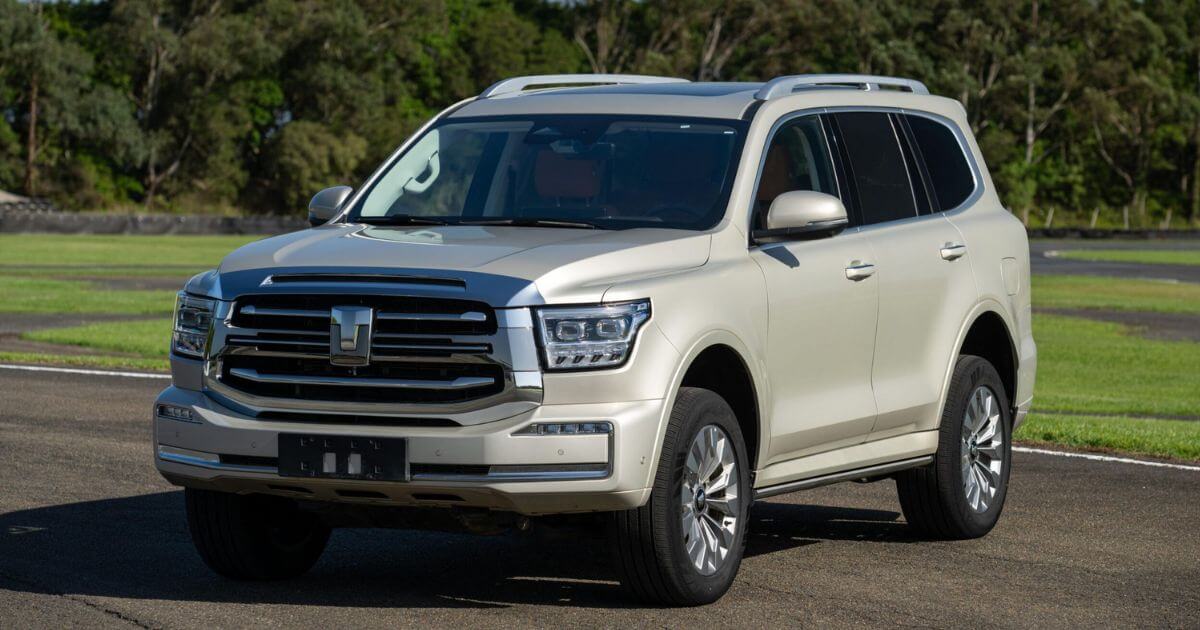
GWM Tank 500 PHEV
It combines a 2.0-litre turbocharged plug-in hybrid powertrain with a 9-speed hybrid automatic transmission and four-wheel-drive capability. It produces a claimed 402 HP and 750 Nm of torque and offers an advertised electric range of up to 120 km.
Make an Informed Choice Before You Buy
These cars make the most sense when their E-range, charging needs, and running costs match your everyday driving habits. Start with your daily commute, then compare vehicle prices, warranty coverage, and long-distance performance.
If you’re exploring plug in hybrid cars in Pakistan, visit GWM Karachi to learn more about models, check the latest availability, and discuss features and booking options with us.


