
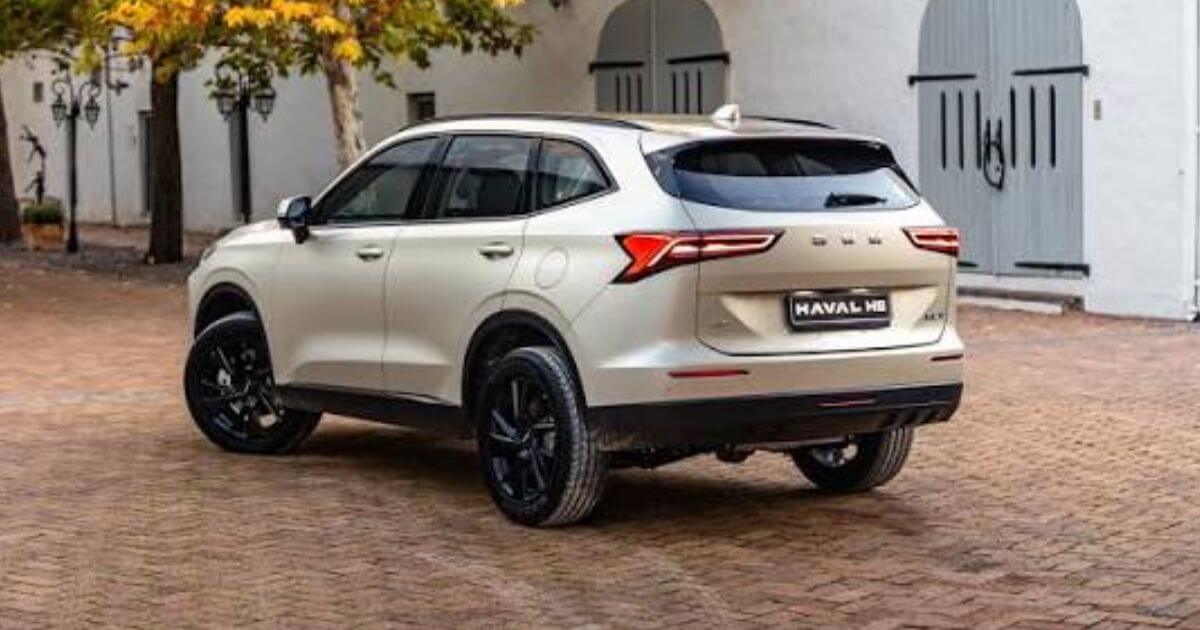
Buying a car is a major financial decision, so having a clear new car buying guide can make the process much easier. From choosing the right model to checking specifications, comparing prices, arranging payment, and completing registration, every step matters.
This guide explains how to buy a new car with a practical approach that helps you avoid common buying mistakes.
Step 1: Define Your Budget
Start by deciding how much you can comfortably spend. However, do not look only at the advertised vehicle price. Your total budget should also account for registration, taxes, insurance, routine maintenance, and fuel or charging costs.
It also helps to leave some room for unexpected ownership expenses. Once you establish a realistic budget, you can narrow down models that genuinely fit your requirements.
Step 2: Identify Your Driving Needs
Next, consider how and where you normally drive. A compact SUV may suit daily urban commuting, while a larger SUV can provide additional passenger and luggage space for families.
Similarly, your powertrain choice should match your usage. Petrol, hybrid, plug-in hybrid, and electric vehicles can offer different ownership advantages. Therefore, think about your average daily distance, parking arrangements, charging access where relevant, and how frequently you take longer journeys.
Step 3: Compare Models and Specifications
Once you understand your requirements, compare vehicles within your budget. Look beyond styling and focus on specifications that affect everyday ownership.
Compare:
- Engine or electric motor performance
- Transmission and drivetrain
- Fuel economy or electric range
- Seating and luggage capacity
- Safety equipment
- Driver assistance technology
- Infotainment and connectivity
- Warranty and after-sales support
This is one of the most important stages in any new car buying guide because two vehicles with similar prices can offer very different equipment and driving experiences.
Step 4: Check the Complete Price
Vehicle prices can change with manufacturer updates, taxes, and other market factors. Therefore, check the latest official price before making your decision rather than relying on an old online listing.
When comparing new car prices in Pakistan, confirm whether the quoted amount represents the vehicle price only or includes additional charges. Ask the authorized dealer for a clear breakdown of the amount you need to pay.
Step 5: Inspect the Car Before Delivery
Even when buying a brand-new vehicle, inspect it carefully before accepting delivery. This does not mean looking for major mechanical problems. Instead, confirm that the vehicle matches your booking and that its exterior, interior, equipment, and documentation are in order.
Here is a useful checklist for what to check when buying a new car:
- Model and variant
- Exterior paint and body condition
- Tyres and wheels
- Lights and glass
- Seats and interior trim
- Infotainment and controls
- Safety equipment
- Vehicle identification details
- Sales invoice and related documents
If something does not match your agreed specification, raise it with the dealer before completing the handover.
Step 6: Understand Payment and Booking Terms
Before paying, understand the booking process, payment schedule, delivery timeline, cancellation terms, and any applicable charges. If you use financing, compare the total repayment amount rather than looking only at the monthly installment.
Also, keep your payment records, invoice, booking documents, and other purchase paperwork safely. Clear documentation can make the ownership process much smoother.
Step 7: Complete Registration and Documentation
After purchase, complete vehicle registration according to the applicable provincial requirements. For example, Punjab Excise lists the sales certificate, sales invoice, registration application, and proof of applicable payments among the documents required for registering a locally manufactured vehicle.
Registration costs and taxes can vary according to the vehicle, engine capacity, and applicable government rules. Therefore, verify the current requirements with the relevant excise authority before completing the process.
Step 8: Take a Proper Test Drive
A test drive should go beyond checking whether the car feels comfortable. Test the driving position, visibility, steering, braking, acceleration, transmission response, parking assistance, and infotainment controls.
If possible, drive on roads similar to your normal routes. This gives you a much better idea of whether the vehicle actually suits your daily routine.
Should You Buy New or Used?
The question “should i buy a new or used car?” depends on your priorities. A new vehicle gives you the benefit of a fresh warranty, current technology, and a known ownership history. A used vehicle can offer more choices within a fixed budget, but its condition and maintenance history require closer evaluation.
If predictable ownership, modern features, and warranty coverage matter most, a new vehicle may make more sense.
Steps to Buy a GWM Vehicle
- Choose your GWM model based on your budget and driving needs.
- Visit an authorized GWM dealership to explore the vehicle and variants.
- Take a test drive before making your decision.
- Prepare the required documents for booking.
- Pay the applicable booking amount through the approved payment method.
- Complete the booking application and verify your details.
- Receive your booking confirmation and order details.
- Wait for delivery updates from the dealership.
- Pay the remaining balance when requested.
- Complete registration and other formalities, then inspect and take delivery of your GWM vehicle.
Conclusion
A thoughtful purchase starts with understanding your needs rather than choosing a vehicle based only on appearance or price. Use this new car buying guide to set your budget, compare specifications, verify the latest pricing, inspect the vehicle, understand payment terms, and complete registration correctly.


